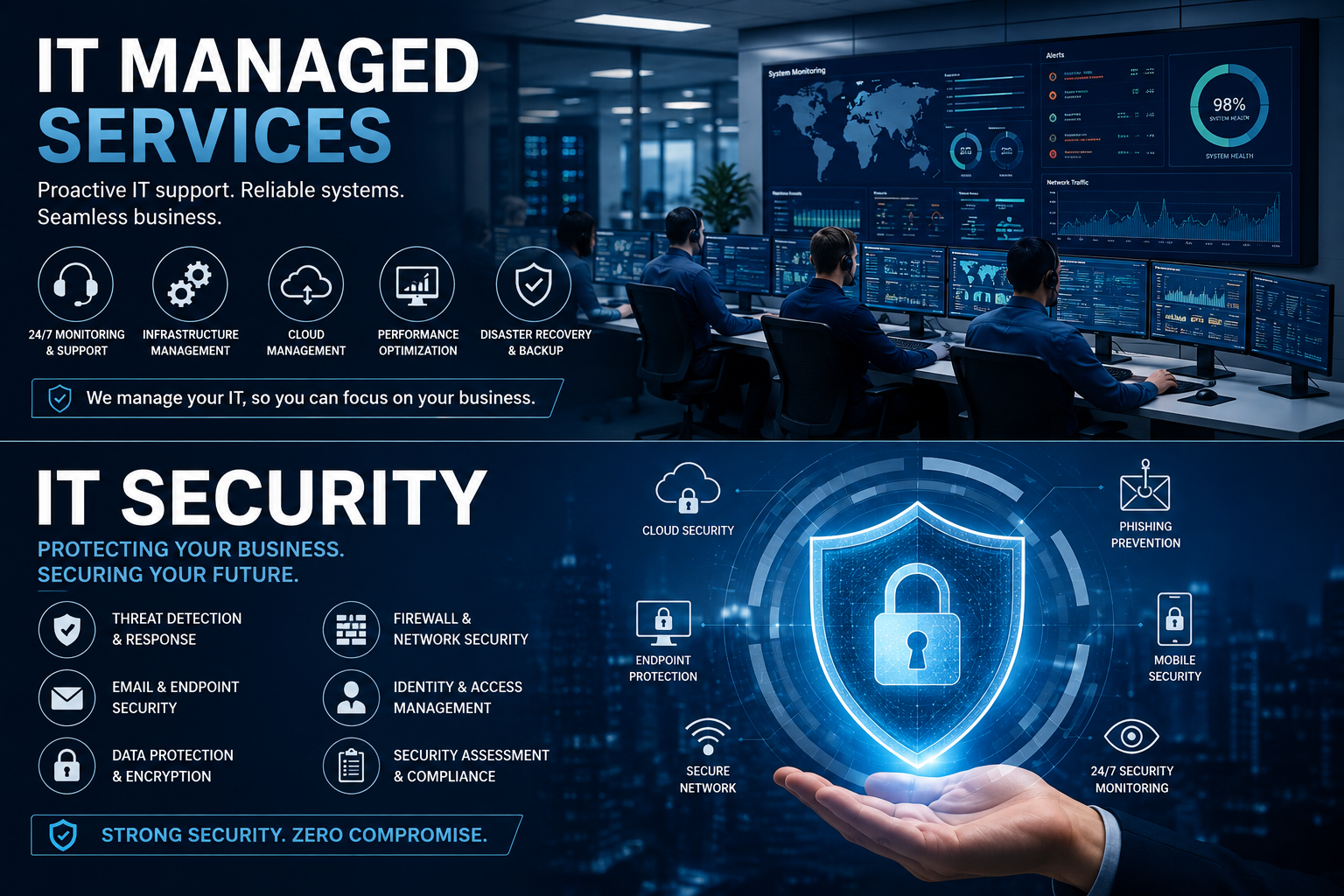
As organizations grow, their technology responsibilities often expand faster than their internal capabilities.
Maintaining networks, resolving technical problems, protecting information, and planning infrastructure improvements all require specialized knowledge.
Some businesses have dedicated technical teams, while others distribute these responsibilities among employees with different primary roles.
IT outsourcing firms provide an alternative approach by allowing organizations to delegate selected technical responsibilities while maintaining focus on their main business objectives.
Understanding the Purpose of IT Outsourcing
Technology outsourcing involves assigning defined IT responsibilities to external specialists.
The arrangement can cover particular technical activities or broader operational requirements.
However, successful outsourcing depends on careful planning rather than simply transferring responsibilities.
Identifying Activities Suitable for Outsourcing
Businesses should begin by examining their current technical workload.
Recurring maintenance, employee troubleshooting, infrastructure monitoring, and specialized technical projects may require different levels of expertise.
Understanding these requirements helps determine which activities could benefit from external assistance.
Maintaining Internal Accountability
Delegating technical work does not eliminate organizational responsibility.
Business leaders still need to understand important risks, establish priorities, and maintain appropriate oversight.
Clear accountability helps prevent misunderstandings and supports consistent decision-making.
Potential Advantages of Working with IT Outsourcing Firms
The benefits of outsourcing depend on the organization’s requirements and how effectively responsibilities are coordinated.
Access to Specialized Knowledge
Different technology challenges require different technical skills.
Organizations may occasionally need expertise that is not available internally.
External technical specialists can contribute knowledge in areas such as infrastructure planning, security evaluation, and system troubleshooting.
Greater Operational Flexibility
Business requirements rarely remain constant.
An organization may experience periods of expansion, introduce new working arrangements, or encounter unfamiliar technical challenges.
Flexible responsibility arrangements can help businesses respond to changing circumstances.
Improved Focus on Core Responsibilities
Employees who repeatedly interrupt their normal work to resolve technical issues may struggle to maintain productivity.
Clearly assigned technology responsibilities allow internal teams to concentrate more consistently on their primary activities.
Common Challenges in Technology Outsourcing
Outsourcing arrangements require effective communication and realistic expectations.
Unclear Responsibility Boundaries
Problems can arise when internal employees and external specialists assume the other party is handling a particular task.
Documented responsibilities help reduce these gaps.
Inconsistent Communication
Technical issues can become frustrating when progress is unclear.
Organizations should establish reporting procedures, escalation methods, and regular review opportunities.
Information Protection Concerns
External access to business systems requires careful management.
Organizations should review access permissions, confidentiality responsibilities, and procedures for protecting sensitive information.
Security expectations must be clearly documented.
How to Evaluate IT Outsourcing Firms
A thoughtful evaluation begins with business needs rather than broad technical claims.
Review Operational Requirements
Identify essential systems, recurring difficulties, and areas where internal capabilities may be limited.
This assessment creates a practical basis for evaluating technical arrangements.
Establish Performance Expectations
Organizations should define how incidents will be reported, how responsibilities will be assigned, and how performance will be reviewed.
Measurable expectations help support accountability.
Plan for Ongoing Collaboration
Successful outsourcing involves regular communication and shared understanding.
Business requirements may change, so periodic reviews are essential.
Conclusion
IT outsourcing firms can help organizations manage technical responsibilities through specialized expertise, structured coordination, and flexible operational arrangements.
However, successful outcomes depend on clear expectations, appropriate oversight, and consistent communication.
By understanding their own requirements before delegating technical work, businesses can create more dependable technology operations while maintaining control over important decisions.