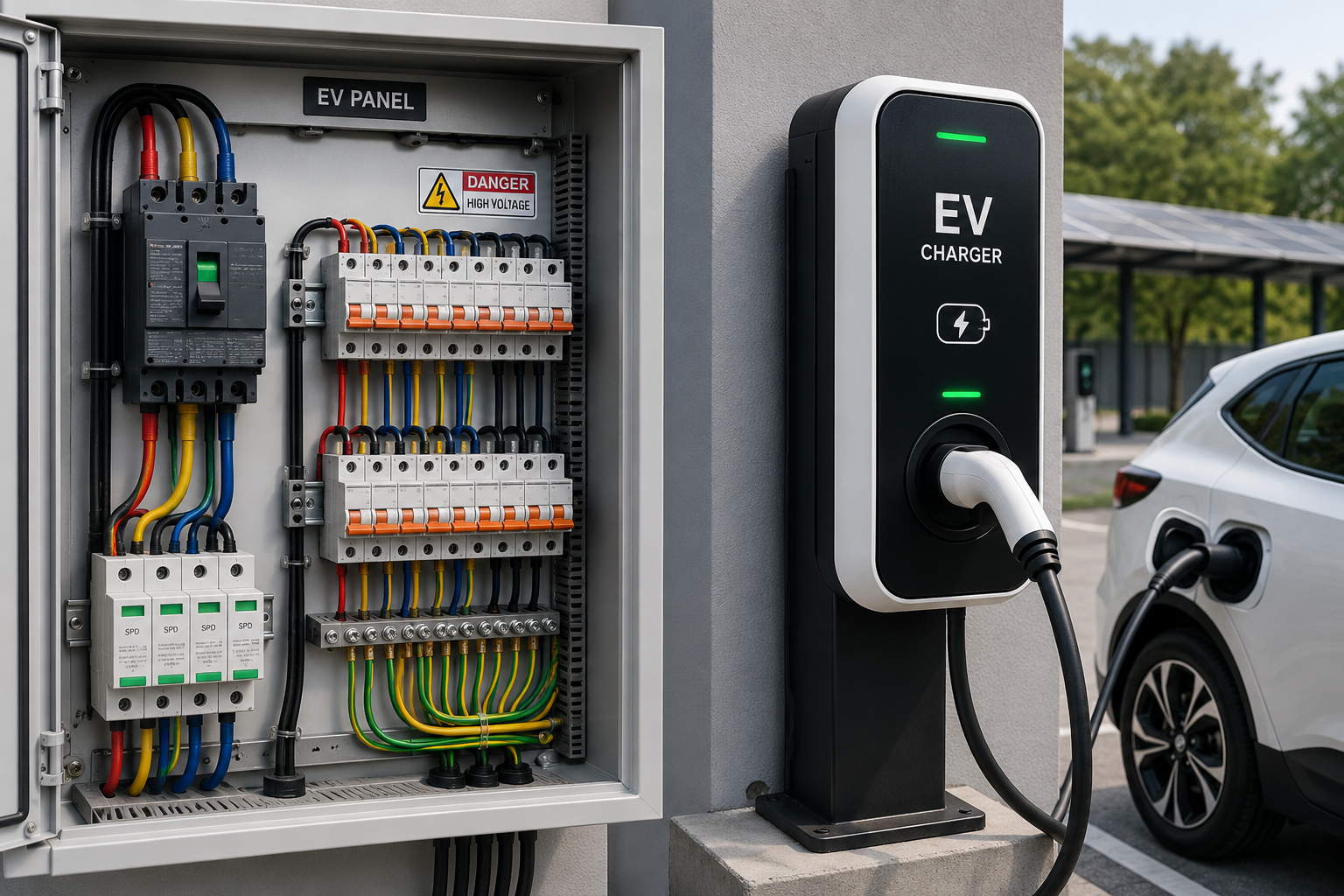
Electric vehicles are changing how people think about everyday transportation. Instead of relying entirely on public charging locations, many drivers prefer the convenience of charging at home. Searching for ev charger installation near me is often the first step toward creating a reliable charging arrangement that supports daily travel.
However, installing a home charging setup involves more than selecting a convenient parking location. Electrical capacity, wiring conditions, safety requirements, and future charging needs all influence the installation process.
Understanding these factors helps homeowners make informed decisions.
Why Home EV Charging Is Becoming More Important
Home charging offers flexibility that public charging locations cannot always provide. Drivers can connect their vehicles after returning home and begin the following day with a suitable battery charge.
Convenience for Everyday Driving
A dedicated home charging location reduces the need to plan regular trips around public charging availability.
Homeowners considering ev charger installation near me often prioritize accessibility, consistent charging performance, and compatibility with their existing electrical systems.
The right arrangement can make vehicle ownership considerably easier.
Greater Control Over Charging Schedules
Charging at home allows drivers to choose when their vehicles receive electricity.
Depending on local electricity arrangements and vehicle capabilities, charging schedules may also help households manage energy consumption more efficiently.
Electrical Requirements Before Installation
Before any installation begins, a qualified electrician should evaluate the property’s electrical infrastructure.
Evaluating Available Electrical Capacity
The electrical panel distributes electricity throughout the home. Adding vehicle charging creates an additional electrical demand that must be considered alongside existing household loads.
An electrician may assess:
- Available electrical capacity
- Existing circuit arrangements
- Wiring condition and suitability
- Charging equipment requirements
- Local electrical code compliance
A thorough assessment helps determine whether the existing system can accommodate the proposed installation.
Choosing an Appropriate Charging Location
The charging location should allow convenient vehicle access while protecting electrical connections from avoidable damage.
Garage installations are common, but outdoor arrangements may also be suitable when properly designed.
Cable reach, parking position, environmental exposure, and accessibility should all influence the final location.
Understanding the Installation Process
Homeowners researching ev charger installation near me should understand the general stages involved in establishing a safe charging arrangement.
Initial Inspection and Planning
The process usually begins with an evaluation of the electrical system and intended charging location.
The electrician determines the appropriate circuit configuration, protective devices, wiring route, and installation requirements.
Any necessary permits or approvals should be addressed before work begins.
Electrical Connections and Verification
Once planning is complete, the required wiring and electrical connections can be installed.
The completed arrangement should be inspected and tested according to applicable requirements.
Proper verification helps confirm that the installation operates safely under expected charging conditions.
Common Mistakes Homeowners Should Avoid
Rushing into installation without understanding the property’s electrical limitations can create unnecessary complications.
One common mistake is assuming that every electrical panel has sufficient spare capacity.
Another is selecting a charging location without considering cable routing or accessibility.
Homeowners should also avoid attempting complex electrical modifications without appropriate qualifications.
Searching for ev charger installation near me can help identify qualified professionals who understand residential charging requirements and applicable electrical regulations.
Planning for Future Vehicle Charging Needs
Household transportation requirements can change over time.
A family may eventually add another electric vehicle, change parking arrangements, or require different charging capabilities.
Discussing future requirements during the initial assessment can help homeowners avoid unnecessary modifications later.
An adaptable electrical arrangement supports long-term convenience without compromising safety.
How to Find Reliable Local Installation Assistance
Finding the right professional requires more than choosing the first available result.
Homeowners should consider electrical qualifications, experience with residential charging, knowledge of local regulations, and willingness to evaluate existing infrastructure.
Reviewing a local EV charging installation location can also help when researching nearby electrical assistance.
Clear communication about the property’s condition and expected charging needs supports better planning.
Conclusion
Home charging can make electric vehicle ownership more convenient, predictable, and manageable. However, successful installation depends on careful electrical assessment, appropriate equipment placement, and compliance with safety requirements.
For homeowners exploring ev charger installation near me, the most important step is understanding the property’s capabilities before making installation decisions.
A properly planned charging arrangement supports dependable daily use while allowing flexibility for changing transportation needs.