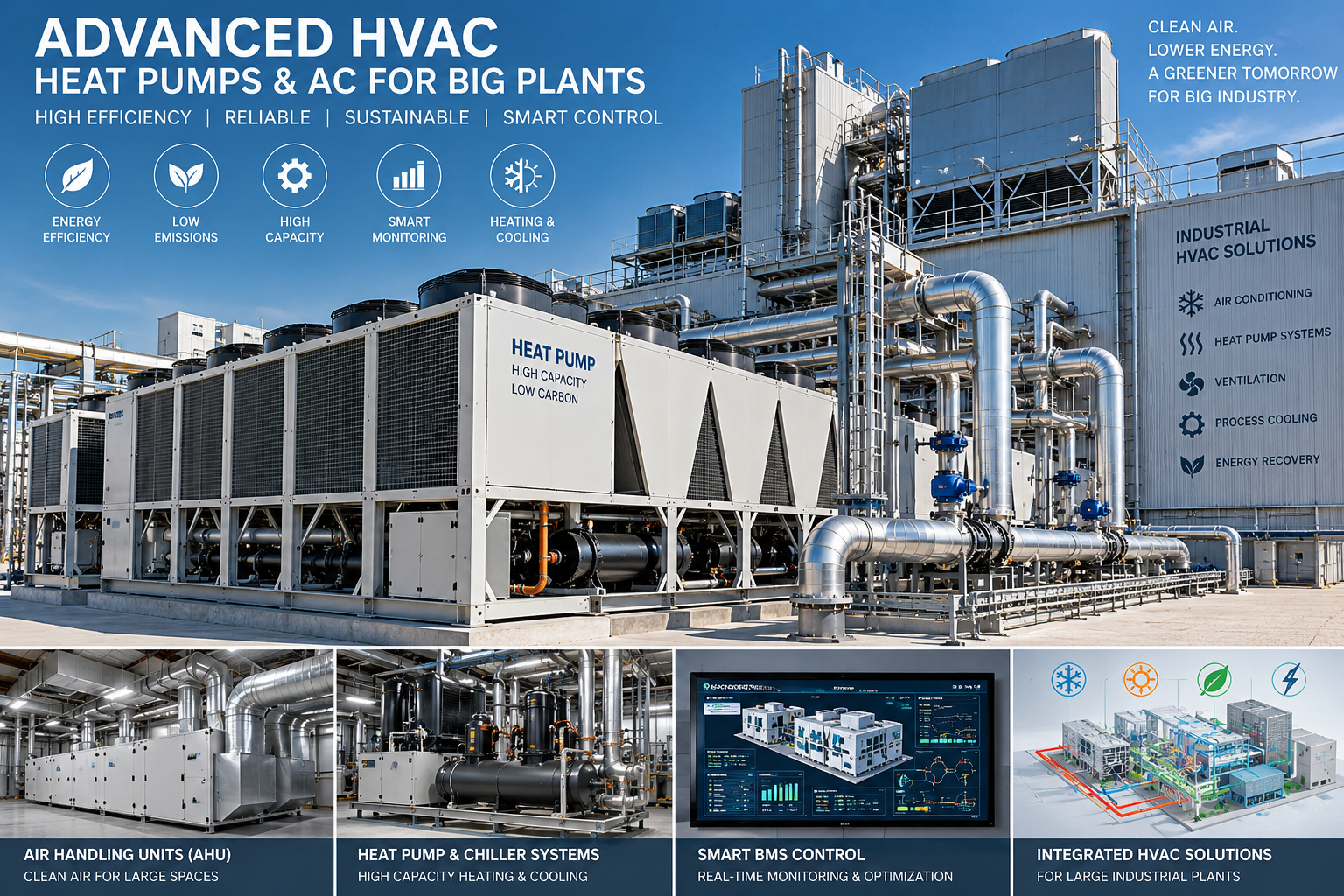
Homeowners in Ottawa face challenging weather conditions throughout the year, from freezing winter temperatures to warm and humid summers. Maintaining consistent indoor comfort requires a heating and cooling system capable of adapting to these seasonal changes. Choosing mitsubishi heat pump installation can be an important consideration for homeowners exploring modern, energy-efficient temperature control.
Heat pumps operate differently from conventional heating equipment. Instead of generating heat through combustion, they transfer thermal energy between indoor and outdoor environments. This process allows a single system to provide heating during winter and cooling during summer.
Understanding the installation process helps homeowners prepare their properties and make informed decisions about long-term comfort.
Understanding How Heat Pump Installation Works
A successful installation begins with evaluating the home’s heating and cooling requirements.
Every property has different characteristics that influence equipment performance.
Evaluating Home Heating Requirements
Before installation, technicians should assess insulation levels, window efficiency, air leakage, and building layout.
These factors influence how much heating and cooling capacity the home requires.
Accurate load calculations help determine appropriate equipment sizing and reduce the risk of inefficient operation.
Choosing the Right System Configuration
Heat pumps are available in ducted and ductless configurations.
Ducted systems distribute conditioned air through existing or newly installed ductwork, while ductless arrangements use indoor units positioned in selected living areas.
The most suitable configuration depends on the property’s layout, available installation space, and comfort requirements.
Important Steps in Mitsubishi Heat Pump Installation
Professional installation involves several technical procedures that influence system reliability.
Selecting an Appropriate Outdoor Location
Outdoor units require adequate airflow to exchange heat effectively.
Technicians must consider surrounding structures, drainage conditions, accessibility, and seasonal snow accumulation.
In Ottawa’s winter climate, appropriate installation height can help prevent snow from obstructing equipment.
Positioning Indoor Components
Indoor equipment should be positioned to support effective temperature distribution.
Poor placement can create uncomfortable areas or reduce system performance.
Technicians also consider accessibility for future maintenance and inspection.
Completing Electrical and Refrigerant Connections
Heat pump systems require properly configured electrical connections and refrigerant piping.
These procedures must follow applicable technical and safety requirements.
Qualified installation helps reduce the likelihood of refrigerant leakage, electrical faults, and operating problems.
Why Proper Installation Matters
Even advanced heating technology depends on correct equipment selection and installation.
Supporting Energy Efficiency
A properly sized heat pump can adjust to changing heating and cooling demands more effectively.
Incorrect sizing, airflow restrictions, or installation errors may reduce efficiency and comfort.
Maintaining Winter Heating Performance
Cold-climate heat pumps are designed to operate at low outdoor temperatures.
However, available heating capacity depends on the equipment’s specifications and weather conditions.
Installation planning should account for Ottawa’s winter design temperatures and any supplemental heating requirements.
Improving Long-Term Reliability
Correct installation reduces unnecessary stress on important components.
Proper drainage, electrical connections, airflow, and refrigerant configuration support dependable operation.
Preparing Your Home Before Installation
Homeowners can take several steps to make the installation process smoother.
Ensure technicians have access to electrical panels, existing heating equipment, and proposed installation areas.
Discuss insulation concerns, recurring cold spots, and temperature preferences before work begins.
These details help technicians understand household comfort requirements.
Homeowners considering professional heat pump installation in Ottawa can benefit from discussing equipment sizing, winter performance, and ongoing maintenance before making decisions.
Maintaining Performance After Installation
Regular maintenance supports reliable heat pump operation.
Homeowners should keep filters clean, maintain outdoor airflow clearance, and remove snow accumulation around outdoor equipment without damaging components.
Professional inspections can evaluate electrical systems, refrigerant performance, drainage, and operating controls.
Following manufacturer maintenance recommendations also helps protect equipment condition.
Conclusion
Mitsubishi heat pump installation requires careful planning, accurate equipment sizing, and qualified technical work.
Understanding installation requirements helps homeowners prepare for efficient heating and cooling throughout Ottawa’s changing seasons.
With appropriate system selection, professional installation, and routine maintenance, homeowners can support dependable indoor comfort for years to come.